Everyday ethics: A path to civil discourse
If civil discourse is the key to a healthy democracy, we’re in big trouble.
Civil discourse is another name for honest dialog in which people listen to one another carefully and seek common ground. Oftencompromises are required, each side to a dispute having to give a little to reach an agreement.
These days civil discourse or dialogue is rare. No one listens. Many yell. Consensus and compromise are seen as dirty words. People split into warring camps, hurling accusations at one another. I’ve heard better conversations on grade school playgrounds than I’ve heard in some recent ones in the U.S. Congress. It’s downright embarrassing. It leaves me ashamed to admit these people are supposed to be our representatives. Have they no shame? And have we no shame for giving them or votes and money?
No wonder nothing seems to get done. The very fabric of the democratic process is wounded. As the cartoon character Pogo oncesaid: “I have met the enemy, and he is us.”
There are days I want to lock opposing sides in a room and not let them out until they reach a consensus on any number of issuesthey can’t seem to address these days — immigration, the federal debt, democracy at home and abroad.
But I realize many are not trained to engage in dialogue, so they will need a process philosophers have found helpful, though I admit it is not easy to follow this guidance, particularly when the goal is not to make decisions but to get votes and money.
In his book “A Practical Guide to Ethics,” Anthony Weston offers four steps to improving communication between different groups.
1. Start by asking not which side is right but what each side is right about.
2. Seek balance or common ground between contending views.
3. Build on mutual interests.
4. Work on creating a shared vision that brings both sides in.
Come to think of it, this kind of process to improve communication should be tried not only in the halls of Congress but in everysituation in a democracy where people require better ways to communicate, from local school boards to politicalcommentaries on television, radio, or social media.
I warn you, use these approaches only under careful supervision. They may result in mutual understanding but may mean learning to change your mind, a feat difficult to accomplish in our times.
Finding common ground through civil discourse is the heart of what it means to live in a democracy, if we deserve to keep it, to paraphrase Ben Franklin’s cautionary words spoken centuries ago.
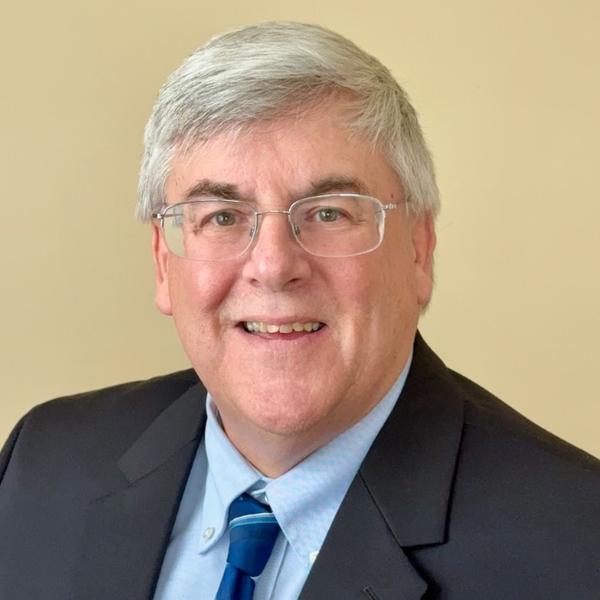
John C. Morgan is an author and teacher whose column appears weekly at readingeagle.com. He can be reached at drjohncmorgan@yahoo.com.
Categories
Recent Posts




GET MORE INFORMATION